

A
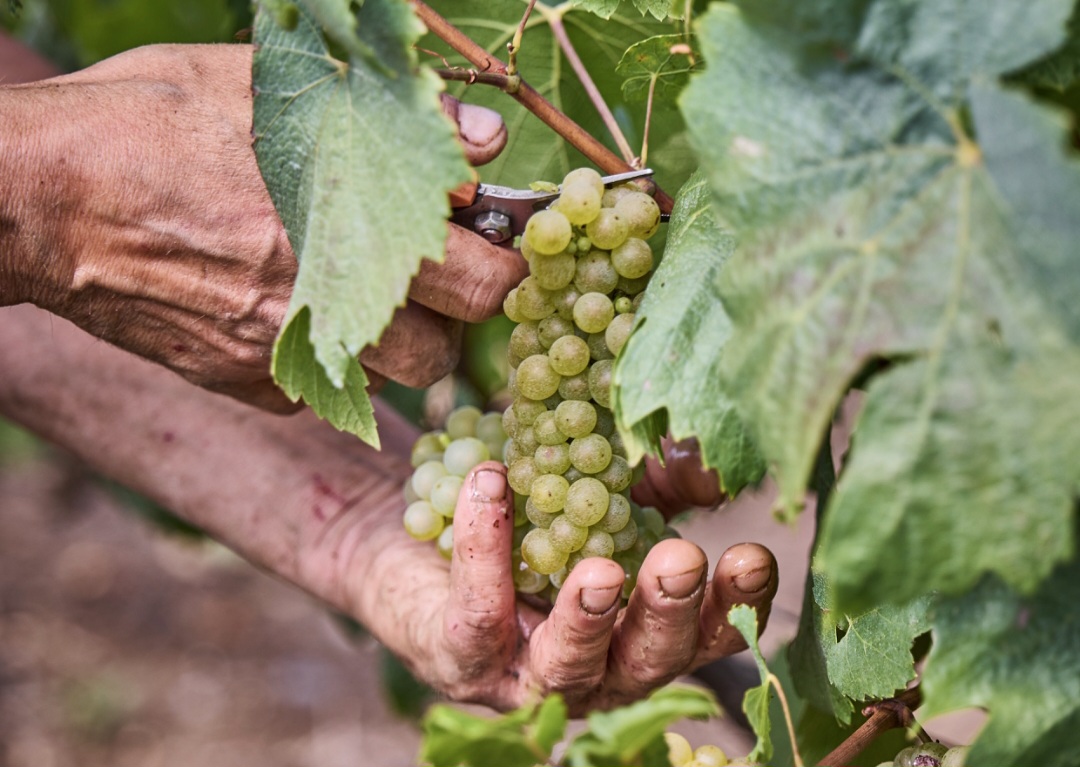
August 12, 2026, will undoubtedly go down as a landmark date in the history of our grape harvests. Never before have we started so early. This year, nature has imposed an exceptional schedule on us, marked by particularly intense heat.Under these conditions, the work in the vineyards does not stop, but we have to adapt. With temperatures soaring, for several days the grapes were picked only in the morning in order to protect the women and men working in the vineyards.Behind every bunch of grapes delivered to the cooperative, an entire chain of women and men springs into action. At our UVCB cooperative, around 90 winegrowers bring us their grapes during this harvest. Each one brings the fruit of a year’s work, monitoring their plots and making decisions throughout the months.For each of them, the harvest is the culmination of an entire season spent working in the vineyards.
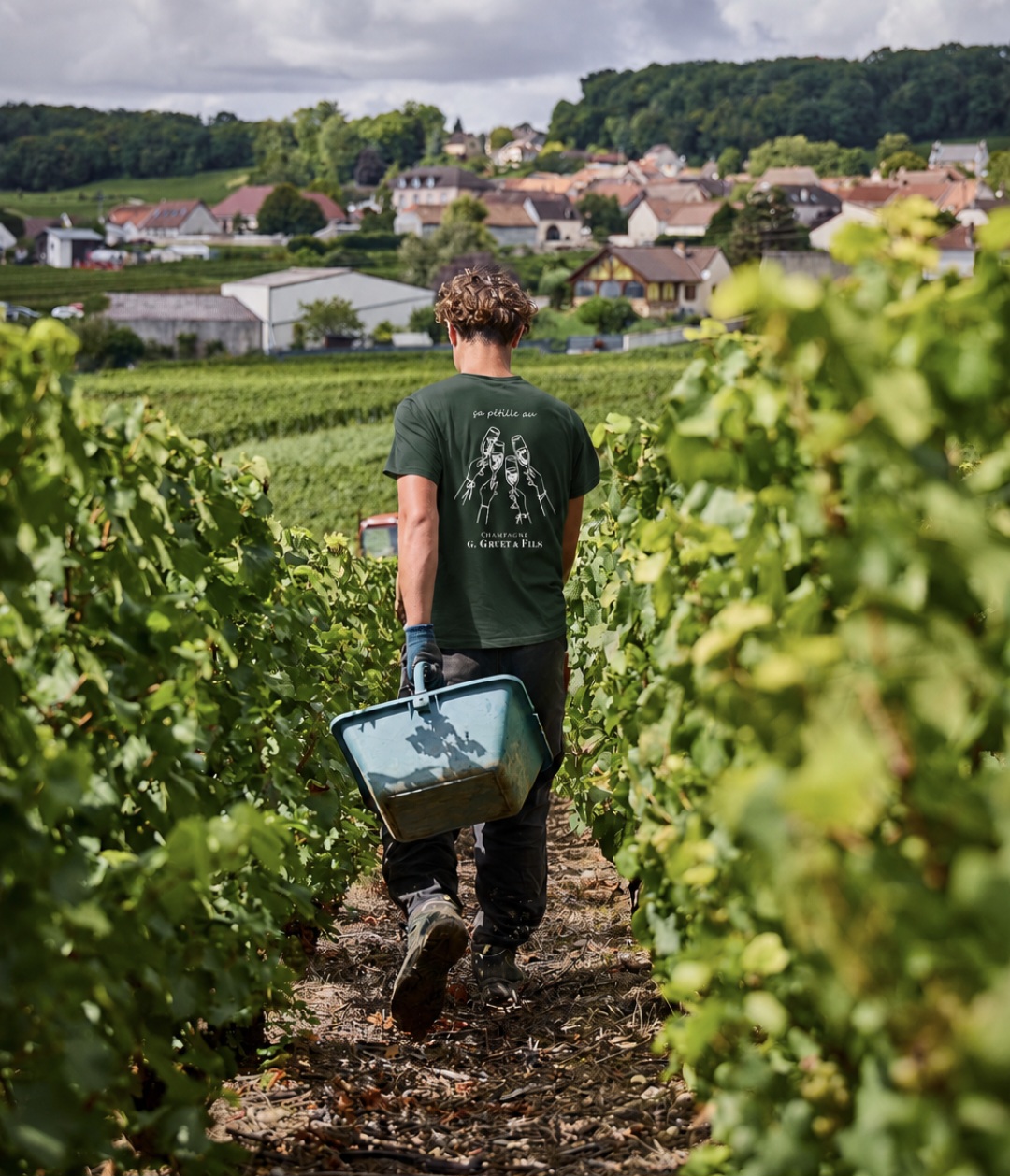
When the grapes arrive at the cooperative, another chapter begins. We have four presses: three with a capacity of 12,000 kg and one with a capacity of 8,000 kg. They must be loaded, each cycle carefully monitored, their proper operation ensured, and the musts managed with precision.Every role is essential, and each person relies on the work of the others. The press operators are on the front line. They are responsible for loading the grapes into the presses and ensuring that the process runs smoothly.
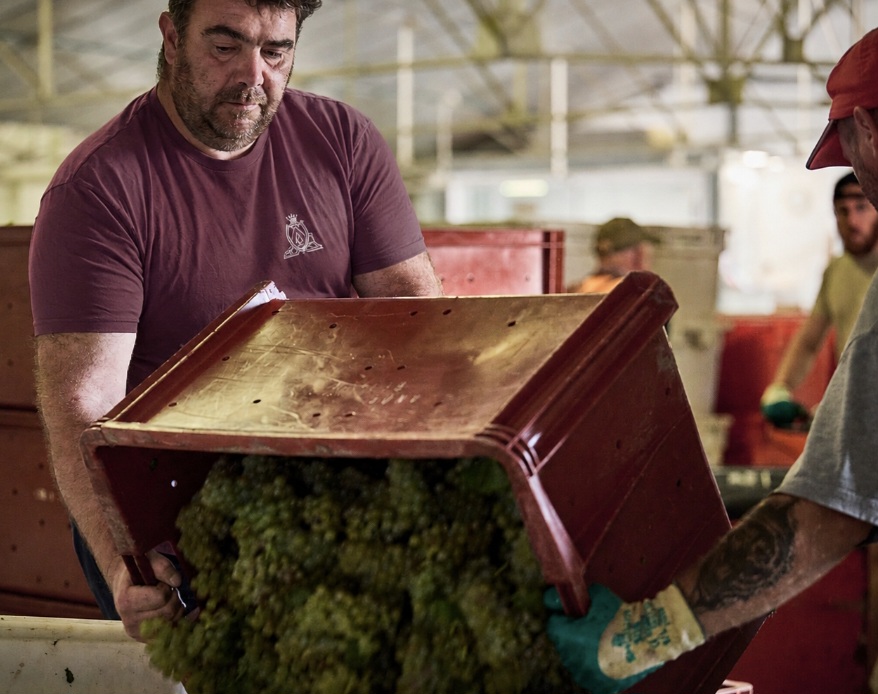
The press operators then take over. They are responsible for starting up the presses, ensuring that each cycle runs smoothly, and handling everything related to their operation.
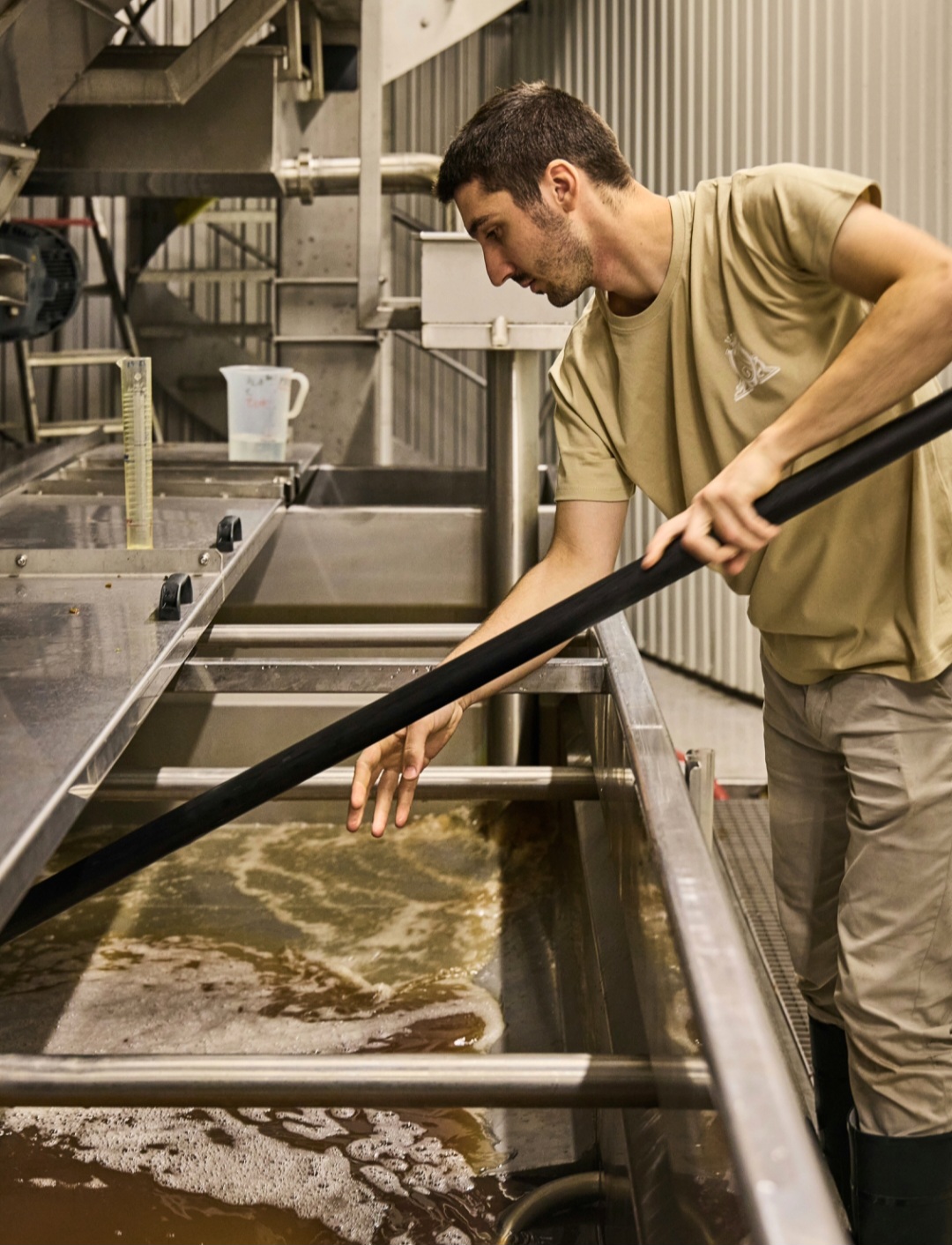
Meanwhile, the cellar team is responsible for the musts. They monitor their development, manage their direction, and oversee the tanks with the utmost care.
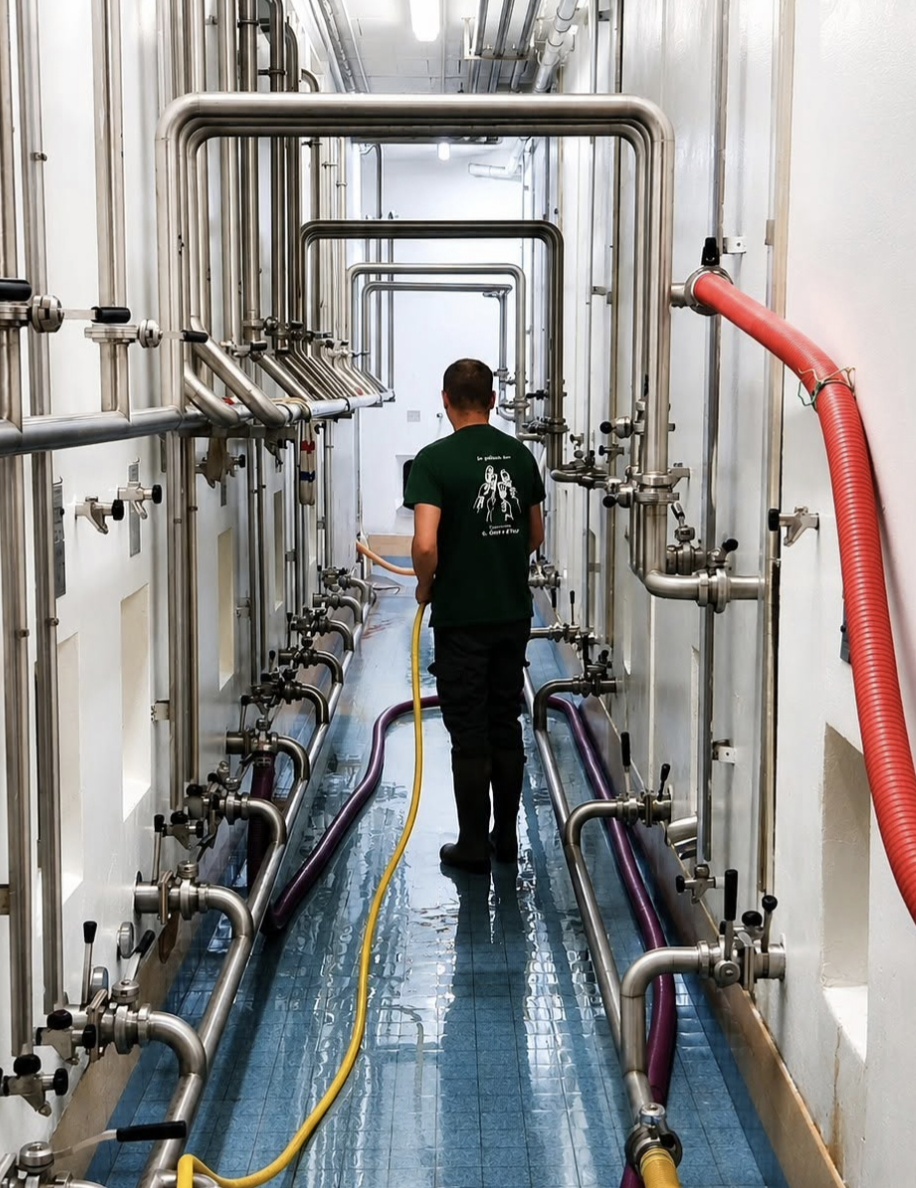
At the heart of this entire operation, the oenologist also plays an essential role. During the harvest, their work is particularly demanding. They monitor the quality of the grapes and musts, oversee the pressing operations, and work closely with the cellar teams to ensure that each stage runs smoothly.Every decision matters in order to preserve the grapes’ potential as much as possible and prepare the wines of the future.
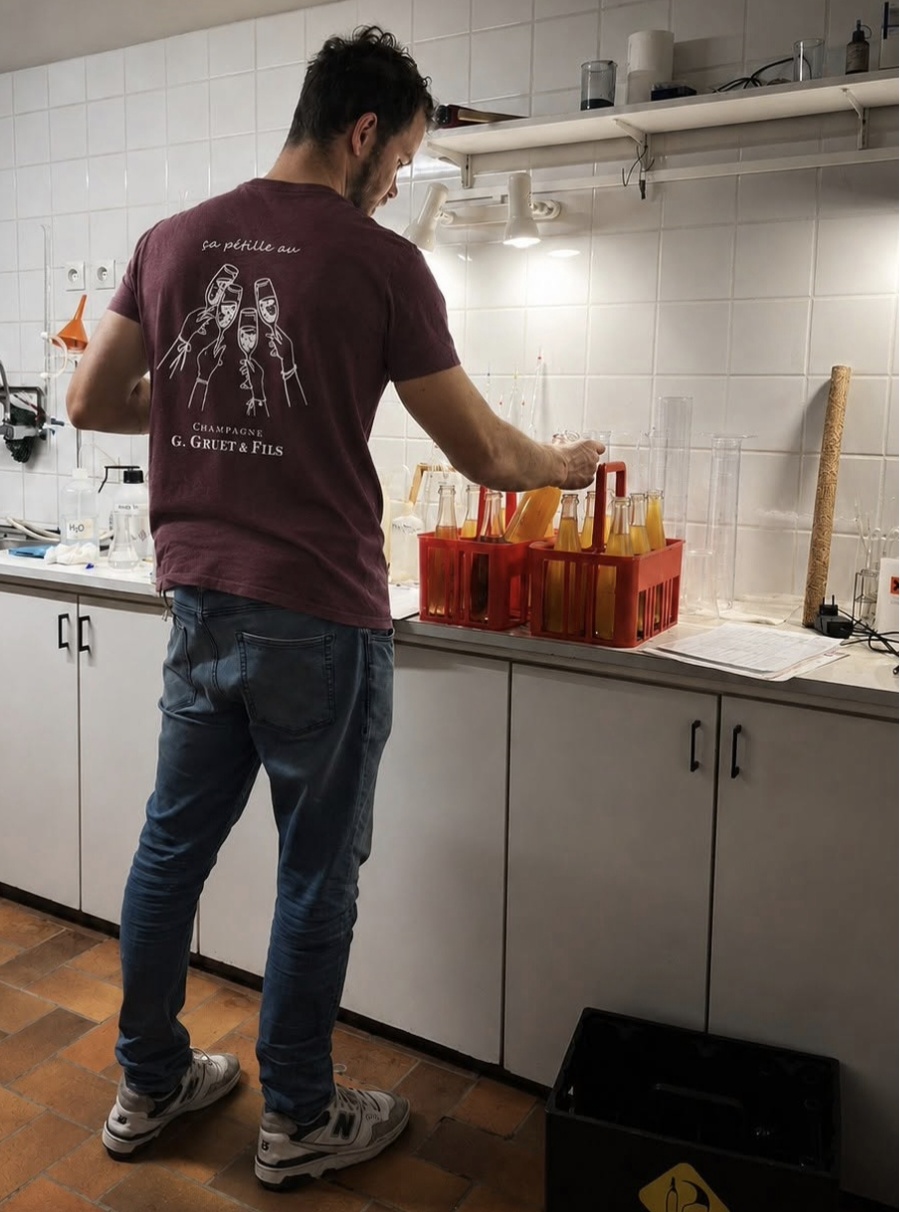
An essential task, though sometimes less visible, is washing the crates. Two people are responsible for this indispensable job, ensuring proper hygiene and allowing the crates to return to the vineyards as quickly as possible.Once the crates have been emptied, they must be washed, stored, and prepared to head back out into the vineyards.When we think of the grape harvest, we often picture the winegrowers working in the vineyards, crates of grapes arriving at the cooperative, and the presses in operation. But behind these images, a multitude of roles and people work every day to ensure that the harvest can take place under the best possible conditions.
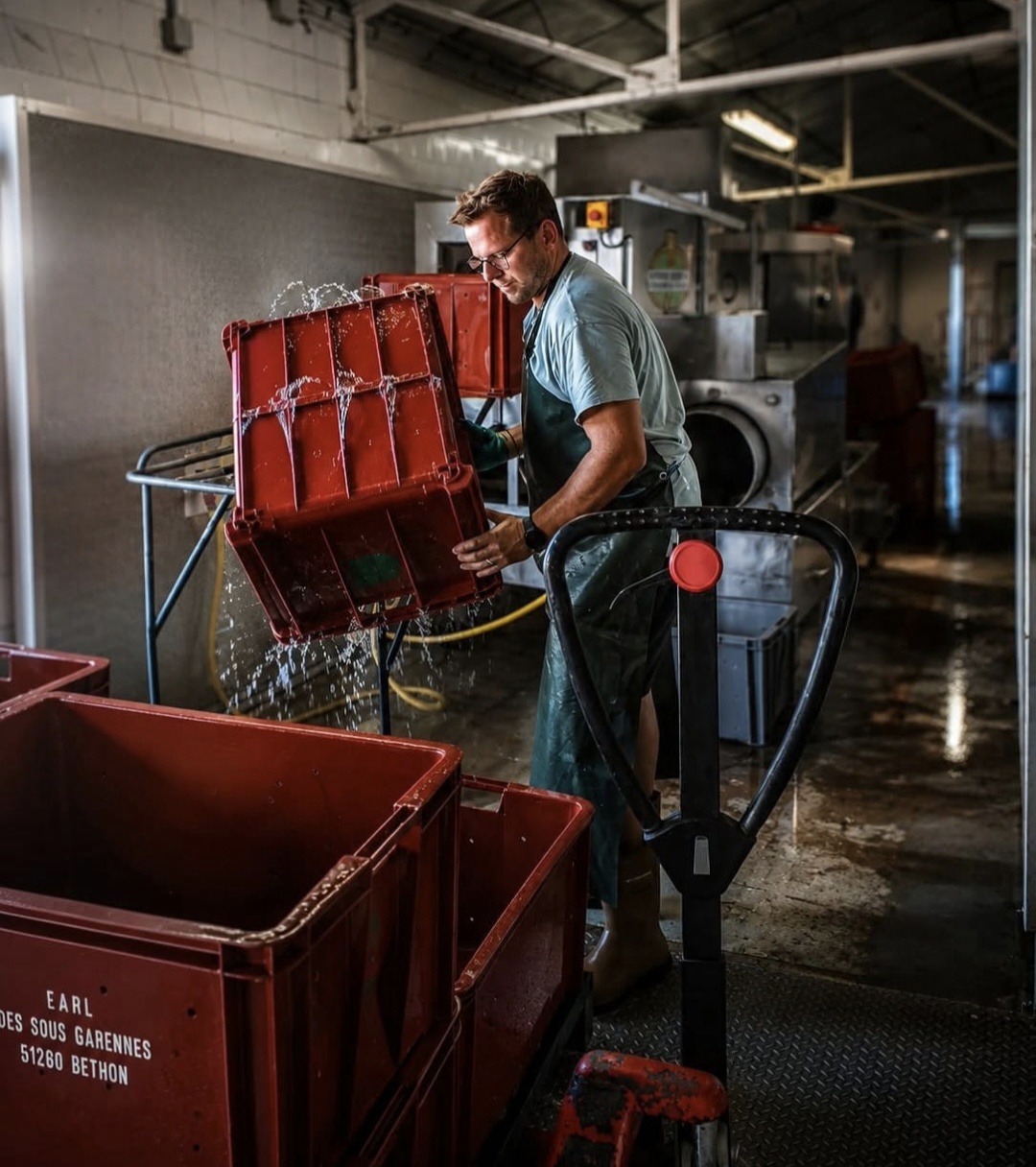
Upon arrival at the cooperative, everything begins with weighing. Every delivery must be accurately recorded. The reception team welcomes the winegrowers, checks their deliveries, and monitors the grapes arriving at the cooperative.Logistics also have to be carefully coordinated. Pallet truck and forklift operators are constantly on the move, unloading pallets of grapes, moving crates, storing them, and making them available to the teams.A real ballet unfolds throughout the cooperative’s yard and buildings, where every movement has to be carefully planned and carried out quickly.
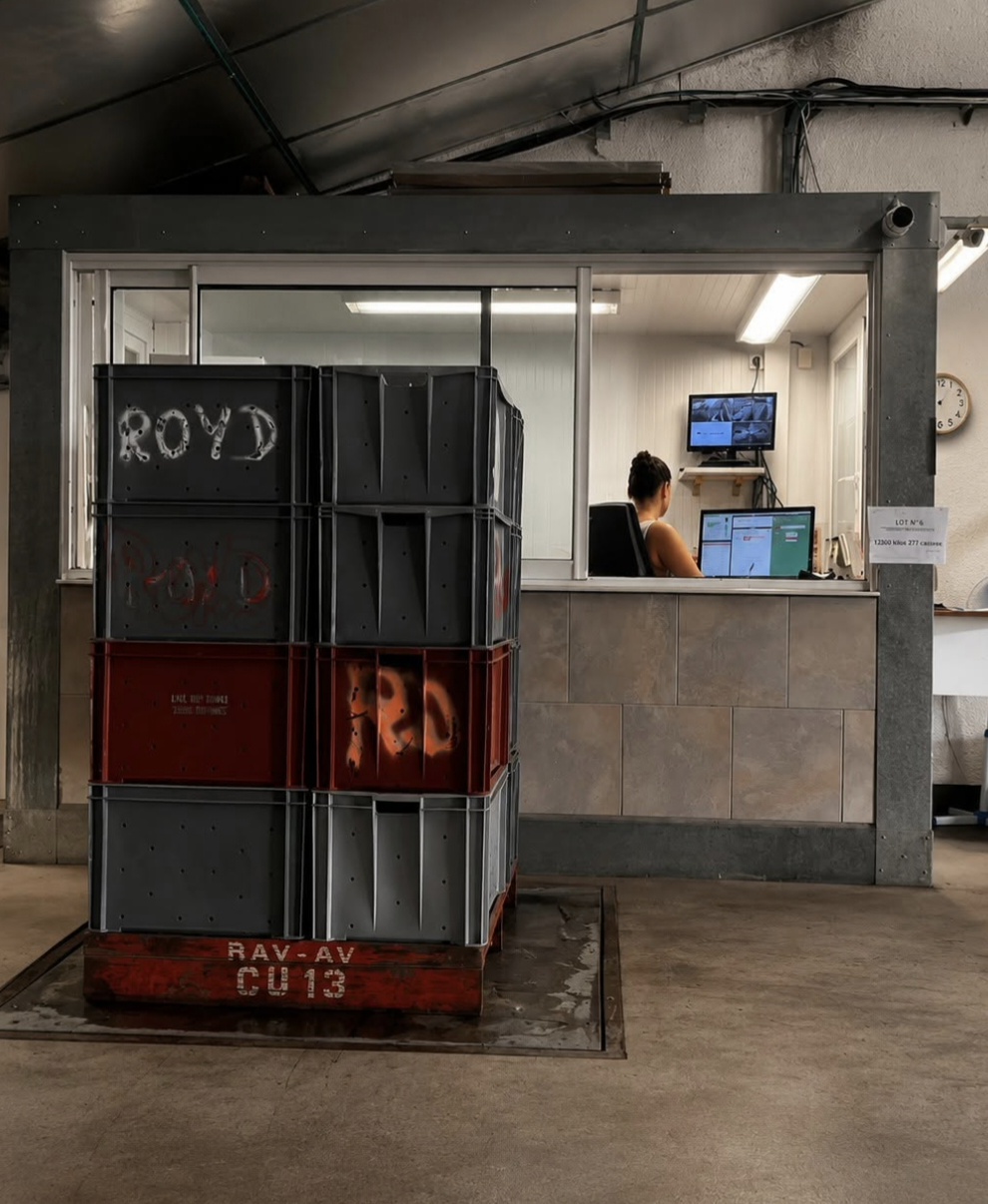
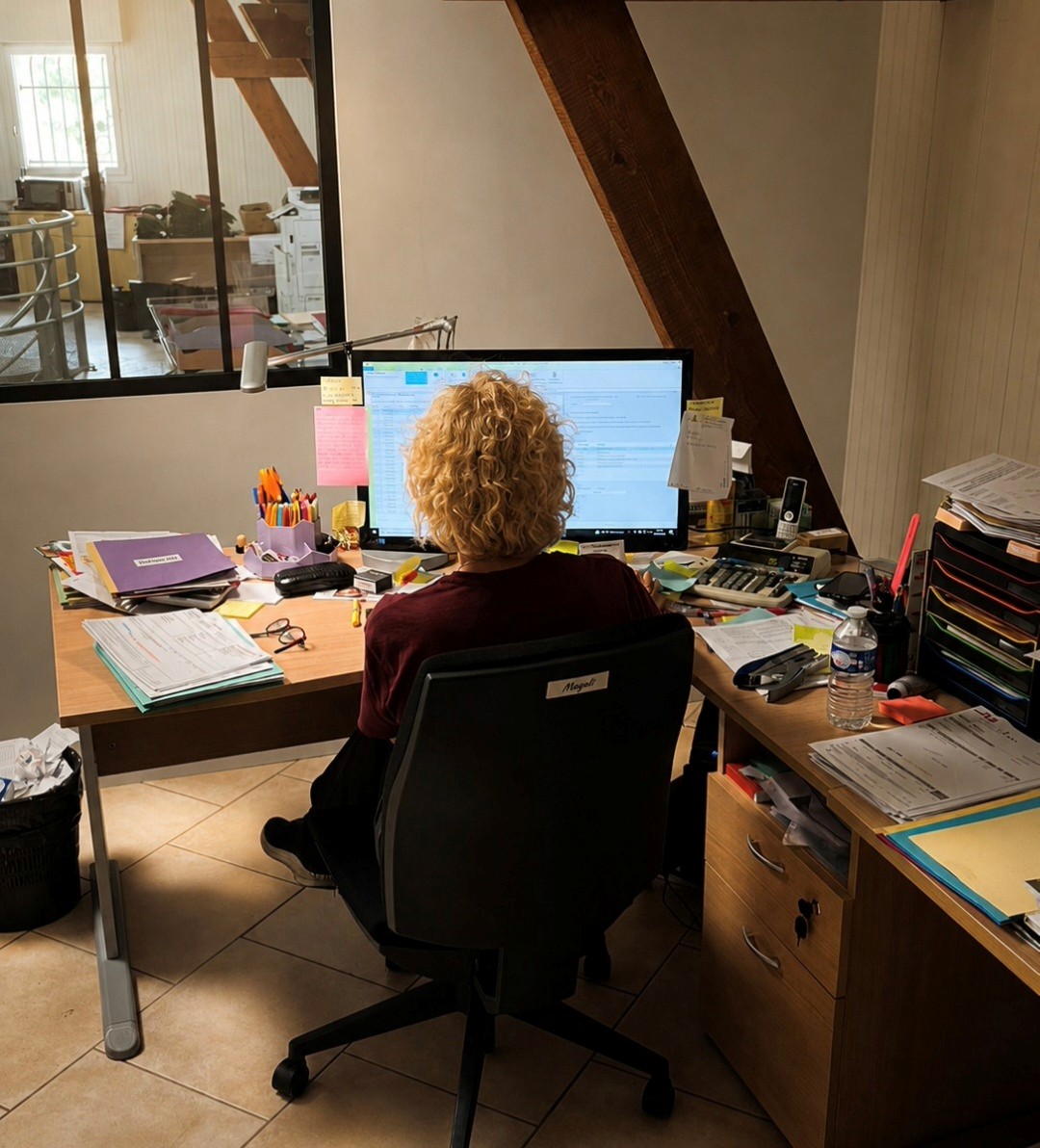
And then there is all the work that is less visible: administration. During the harvest, information is coming in constantly: winegrowers’ deliveries, weigh-ins, documents, records, crate movements, production monitoring, traceability, invoicing, team organization… Everything has to be recorded, checked, and processed.The office does not stop while the presses are running. Quite the opposite. The harvest period represents a considerable administrative workload, with the pace intensifying considerably and workdays that can be long.From the vineyards to the offices, through reception, logistics, forklift trucks, pallet trucks, presses, and the cellar, every person plays their part. It is this collective effort, often carried out behind the scenes, that allows the harvest to become a great wine—like the Champagne that will take pride of place on your festive tables.